Biometric Evolution: What Lies Beyond Fingerprint and Face ID?
Next-gen biometric methods like vein patterns, gait analysis, and heart rhythm will transform mobile security.
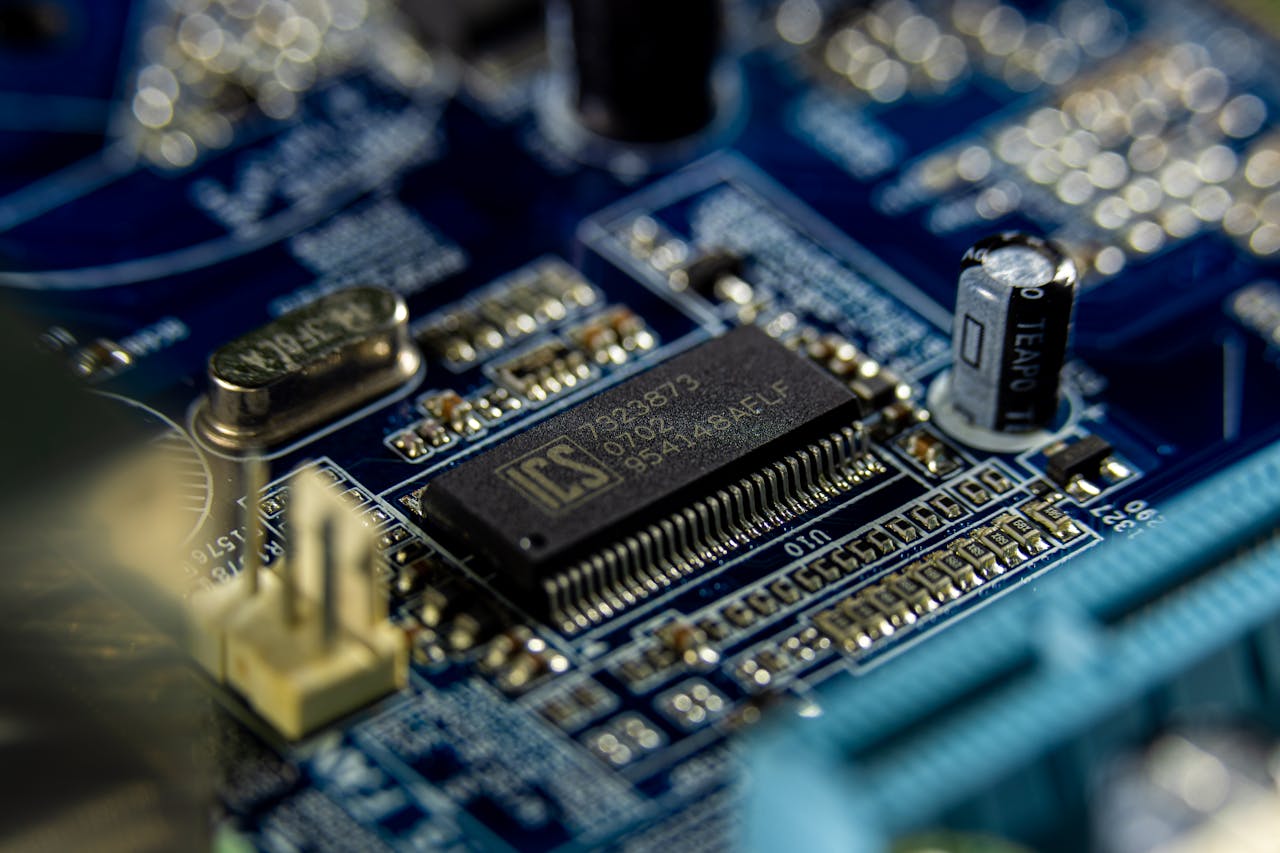
Beyond Fingerprints: Next-Generation Authentication
Fingerprint and facial recognition systems have become standard in mobile security. But biometric technology is about to go much further. Vein patterns, gait analysis, heart rhythm recognition, ear shape analysis, and even brainwave patterns will completely redefine mobile authentication and create security systems that are virtually impossible to spoof.
Continuous Authentication
Next-generation biometric systems will perform continuous authentication rather than a one-time unlock. Behavioral biometrics will constantly recognize you while using your phone. Micro-behaviors like typing speed, screen touch pressure, and device holding angle will be used to continuously verify your identity, ensuring that even if someone gains physical access to your unlocked device, it will lock immediately.
Multi-Factor Biometric Fusion
Instead of relying on a single biometric method, fusion systems combining multiple biometric data points will emerge. This approach exponentially increases security levels while creating a structure far more resistant to spoofing attacks. You might replicate a fingerprint, but simultaneously faking heart rhythm, gait pattern, and typing behavior is virtually impossible.
Health Integration
Biometric sensors will evolve beyond security functions into health monitoring tools. Your phone will be able to measure blood oxygen levels through the fingerprint scanner, evaluate skin health through the facial recognition camera, and predict mood from voice analysis. This dual use will dramatically increase the value proposition of biometric sensors.
Privacy and Regulations
Collecting more biometric data will inevitably require stronger legal regulations worldwide. Establishing international standards for the storage, processing, and sharing of biometric data is critically important. Full transparency about how users' biometric data is used will become mandatory as these systems become more pervasive.
DISCLAIMER: The information in this article is provided for informational purposes only after independent research. It may contain errors, be incomplete, or become outdated. Any AI tools, apps, or services mentioned are the sole responsibility of the user. We do not endorse, guarantee, or take responsibility for any third-party products or services. Always verify information independently before making decisions.